2ND GRADE NUMBER

This page provides sample downloads from some of the resources in 2nd Grade Mega Math Bundle aligned with the 2nd Grade Number Common Core State Standards. Try some of the samples listed in blue below each standard or download the bundle and have instant access to hundreds of easy-prep, engaging resources to simplify your math lesson planning and make active engagement through hands-on math instruction an integral part of your second grade classroom.



OPERATIONS AND ALGEBRAIC THINKING
Represent and solve problems involving addition and subtraction
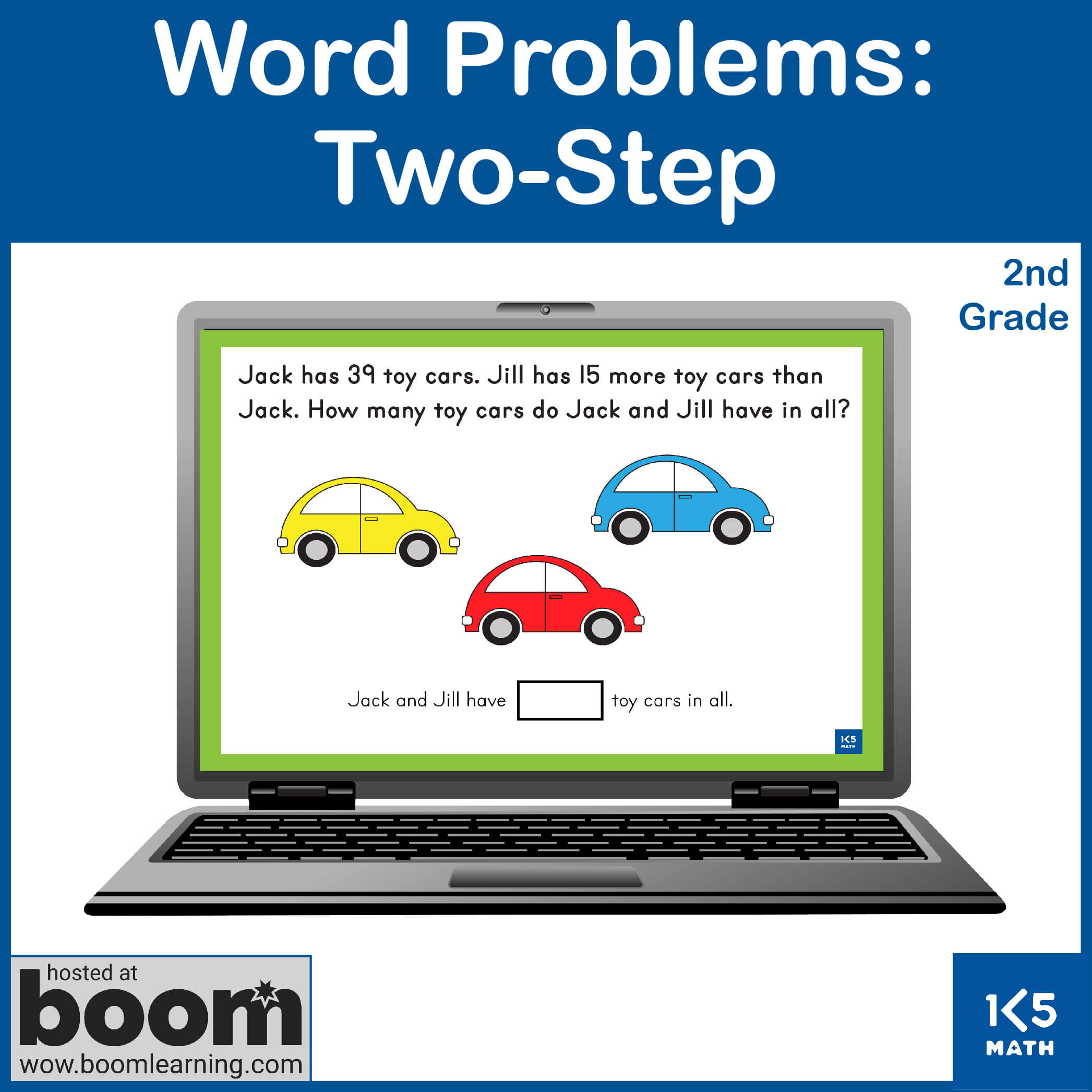
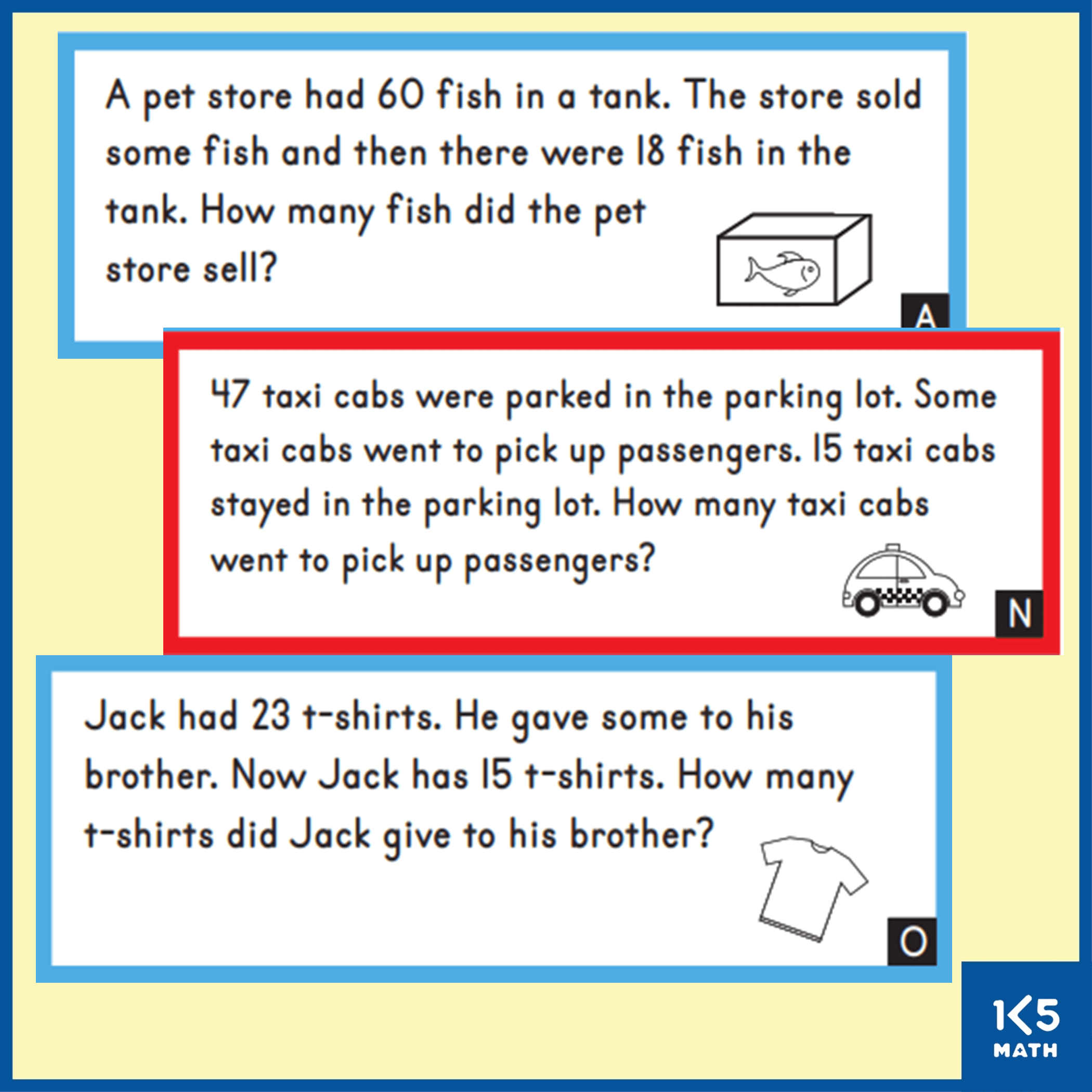
2.OA.A.1 Use addition and subtraction within 100 to solve one and two step word problems involving situations of adding to, taking from, putting together, taking apart, and comparing, with unknowns in all positions, e.g. by using drawings and equations with a symbol for the unknown number to represent the problem.
Add and subtract within 20
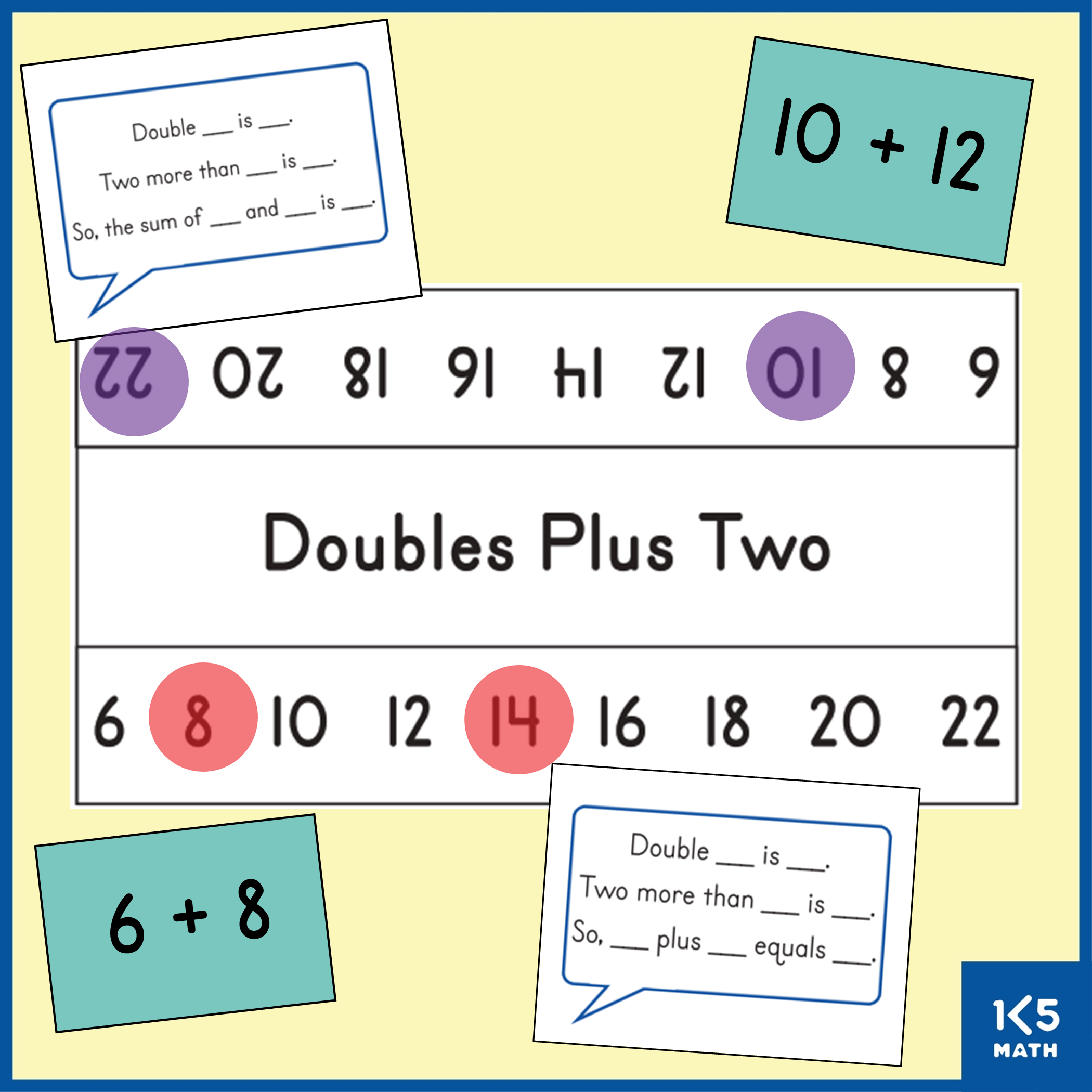
2.OA.B.2 Fluently add and subtract within 20 using mental strategies. By end of Grade 2, know from memory all sums of two one-digit numbers.
Work with equal groups of objects to gain foundations for multiplication
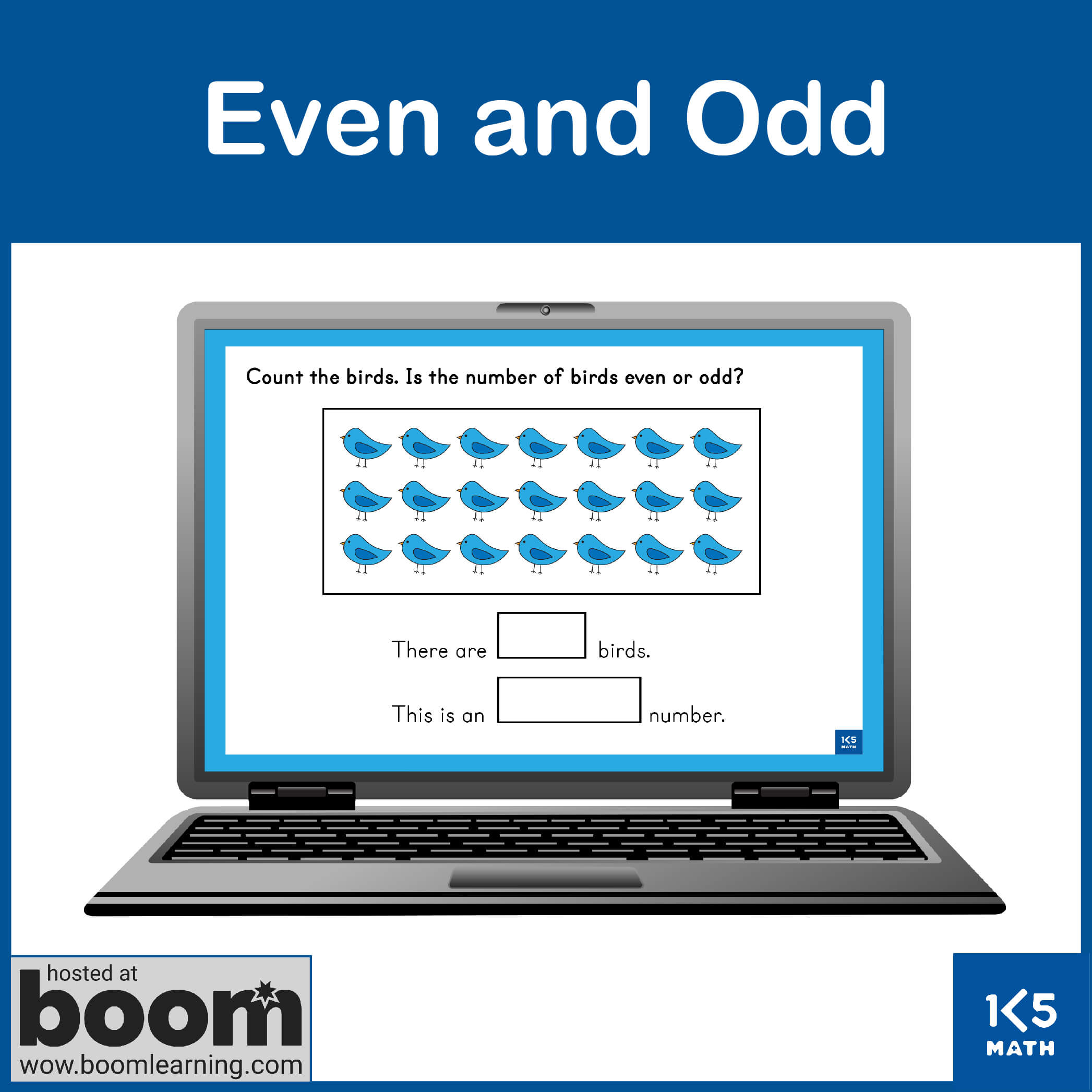
2.OA.C.3 Determine whether a group of objects (up to 20) has an odd or even number of members, e.g. by pairing objects or counting them by 2s; write an equation to express an even number as a sum of two equal addends.
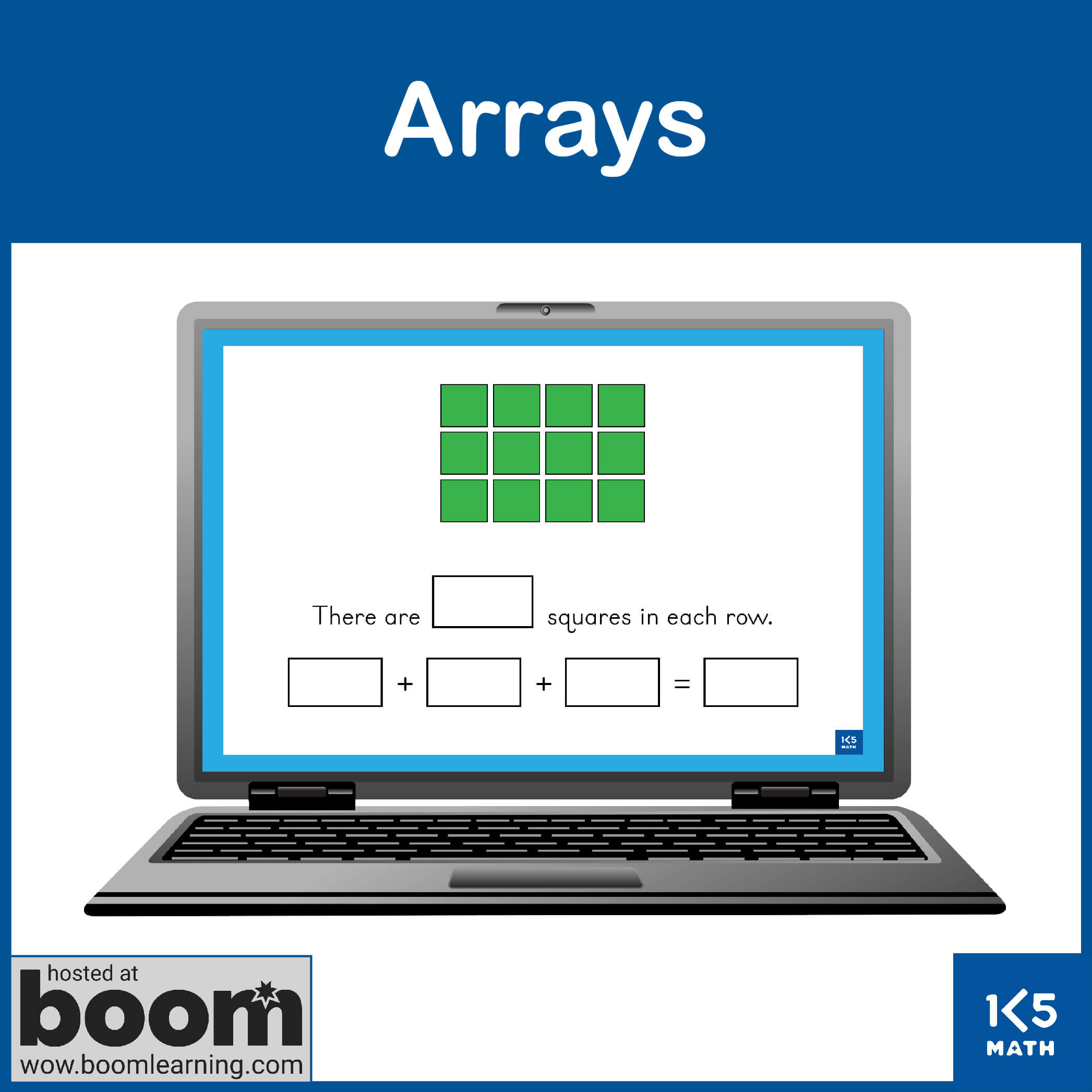
2.OA.C.4 Use addition to find the total number of objects arranged in rectangular arrays with up to 5 rows and up to 5 columns; write an equation to express the total as a sum of equal addends.
NUMBER AND OPERATIONS IN BASE TEN
Understand place value
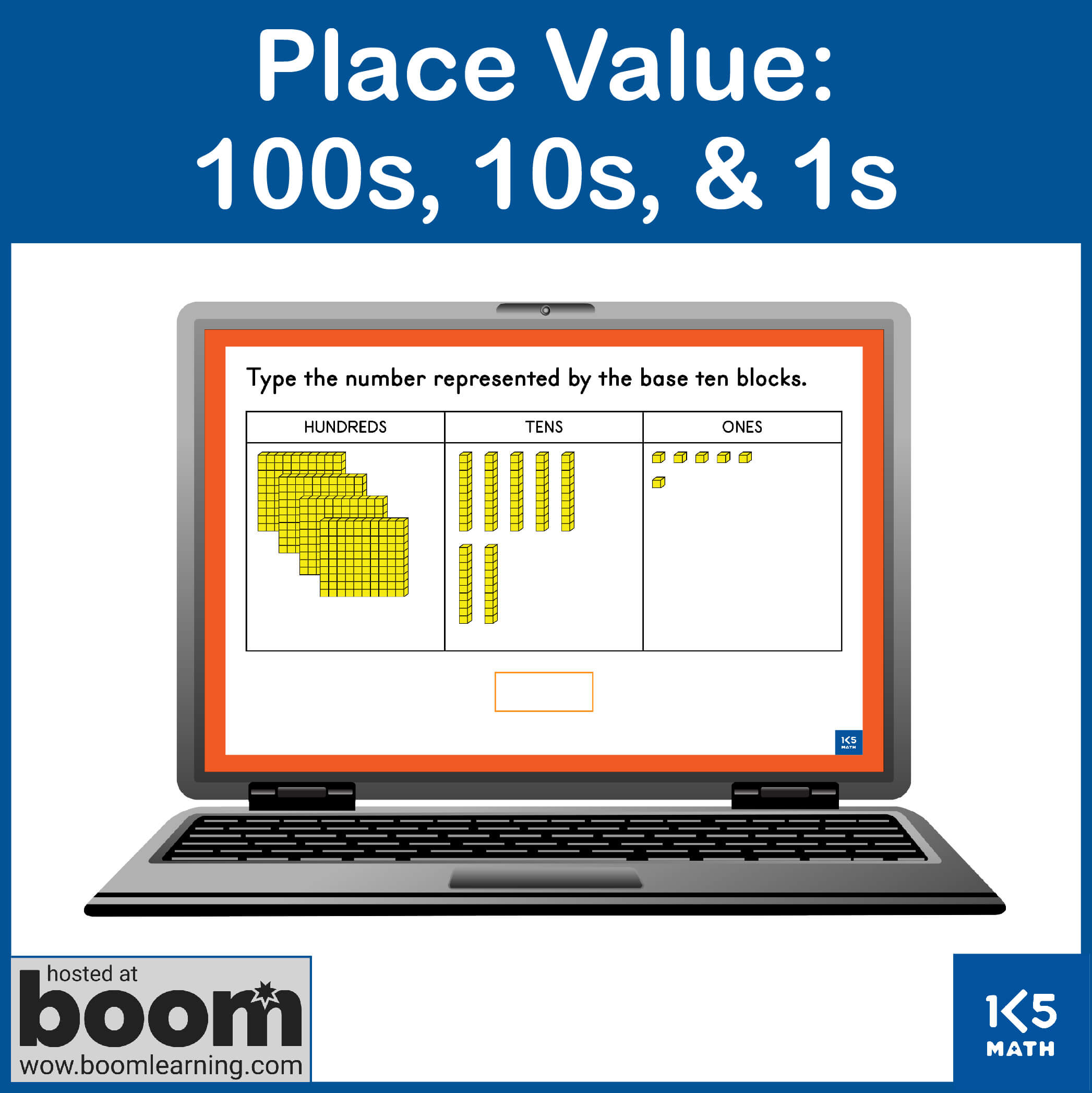
2.NBT.A.1 Understand that the three digits of a three-digit number represent amounts of hundreds, tens, and ones. Understand the following as special cases:
a. 100 can be thought of as a bundle of ten tens – called a “hundred.”
b. The numbers 100, 200, 300, 400, 500, 600, 700, 800, 900 refer to one, two, three, four, five, six, seven, eight, nine hundreds (and 0 tens and 0 ones).
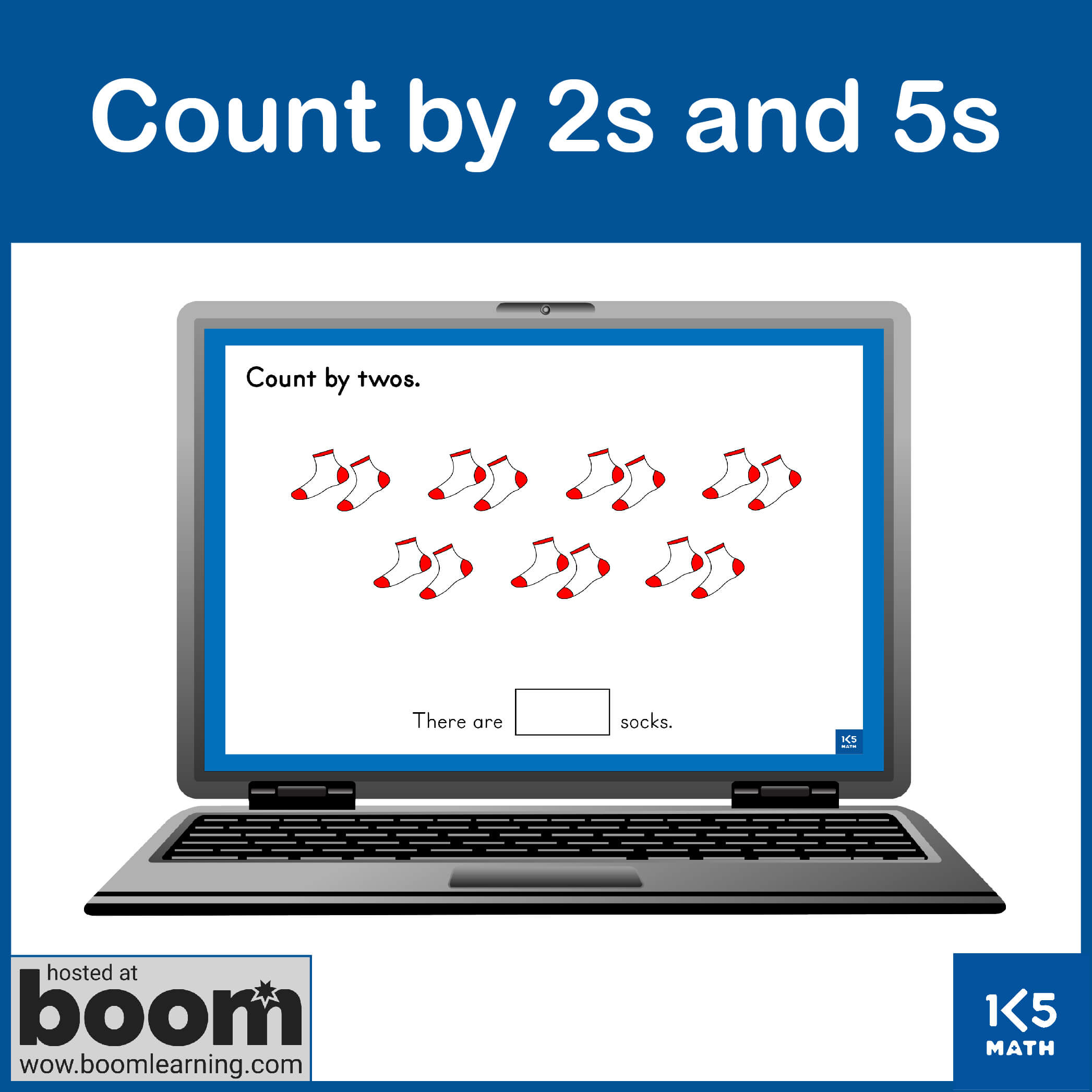
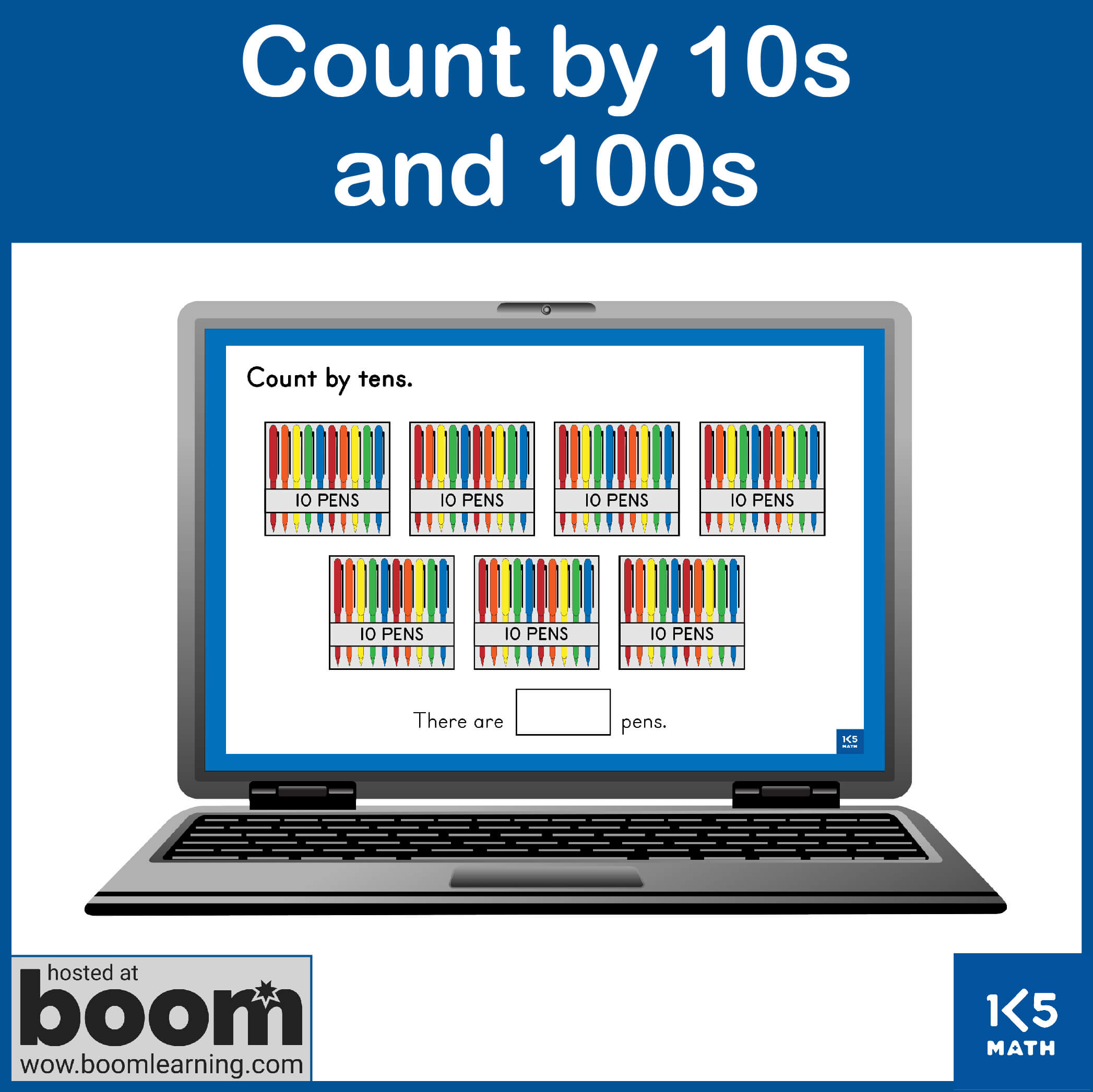
2.NBT.A.2 Count within 1000; skip count by 5s,10s, and 100s.
Samples from:
Sample from:
2.NBT.A.3 Read and write numbers to 1000 using base-ten notation, number names, and expanded form.
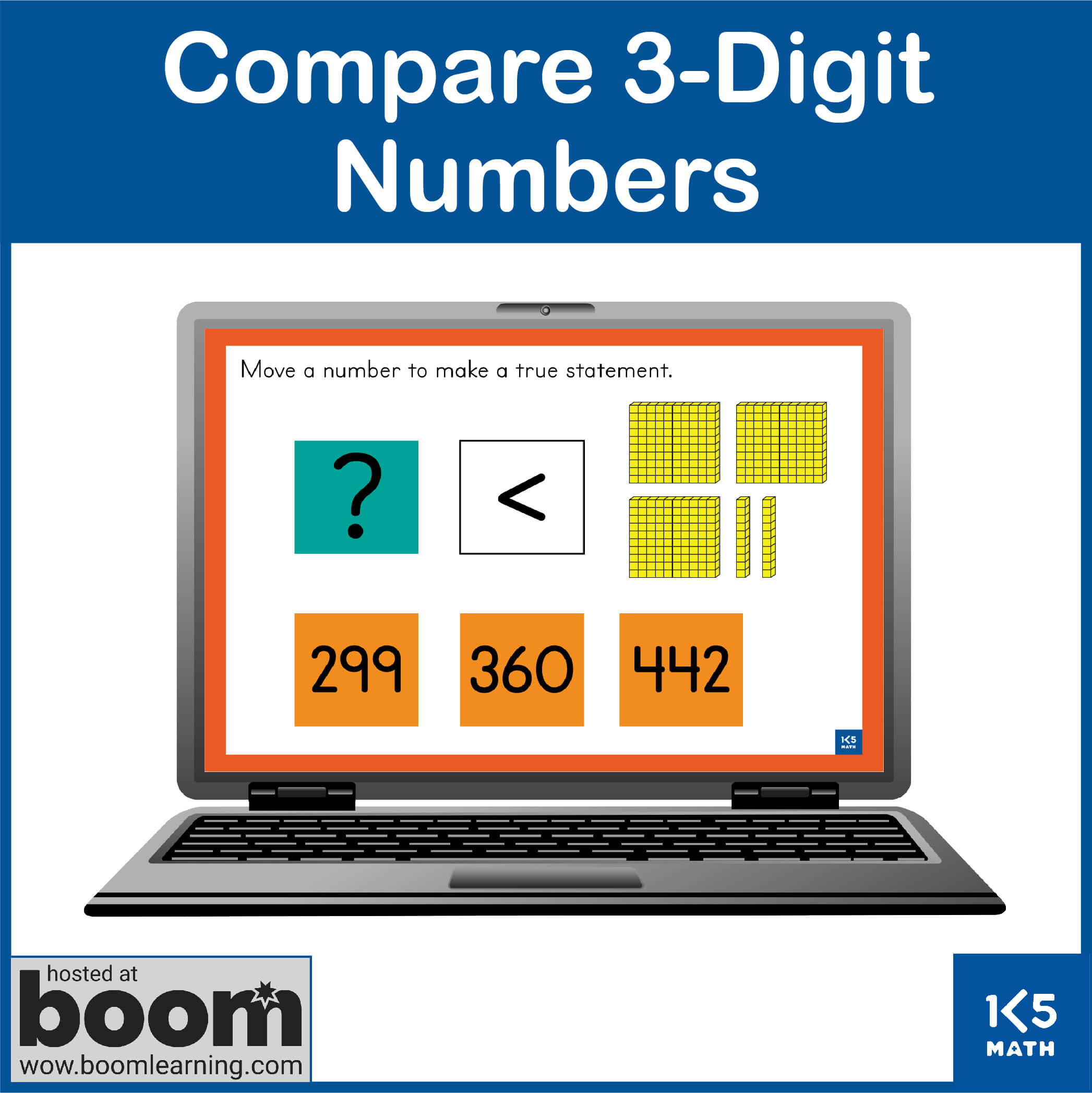
2.NBT.A.4 Compare two three-digit numbers based on meanings of the hundreds, tens, and ones digits, using >, =, and < symbols.
Samples from:
Samples from:
Use place value understanding and properties of operations to add and subtract
2.NBT.B.5 Fluently add and subtract within 100 using strategies based on place value, properties of operations, and/or the relationship between addition and subtraction.
Samples from:
Samples from:
2.NBT.B.6 Add up to four two-digit numbers using strategies based on place value and properties of operations.
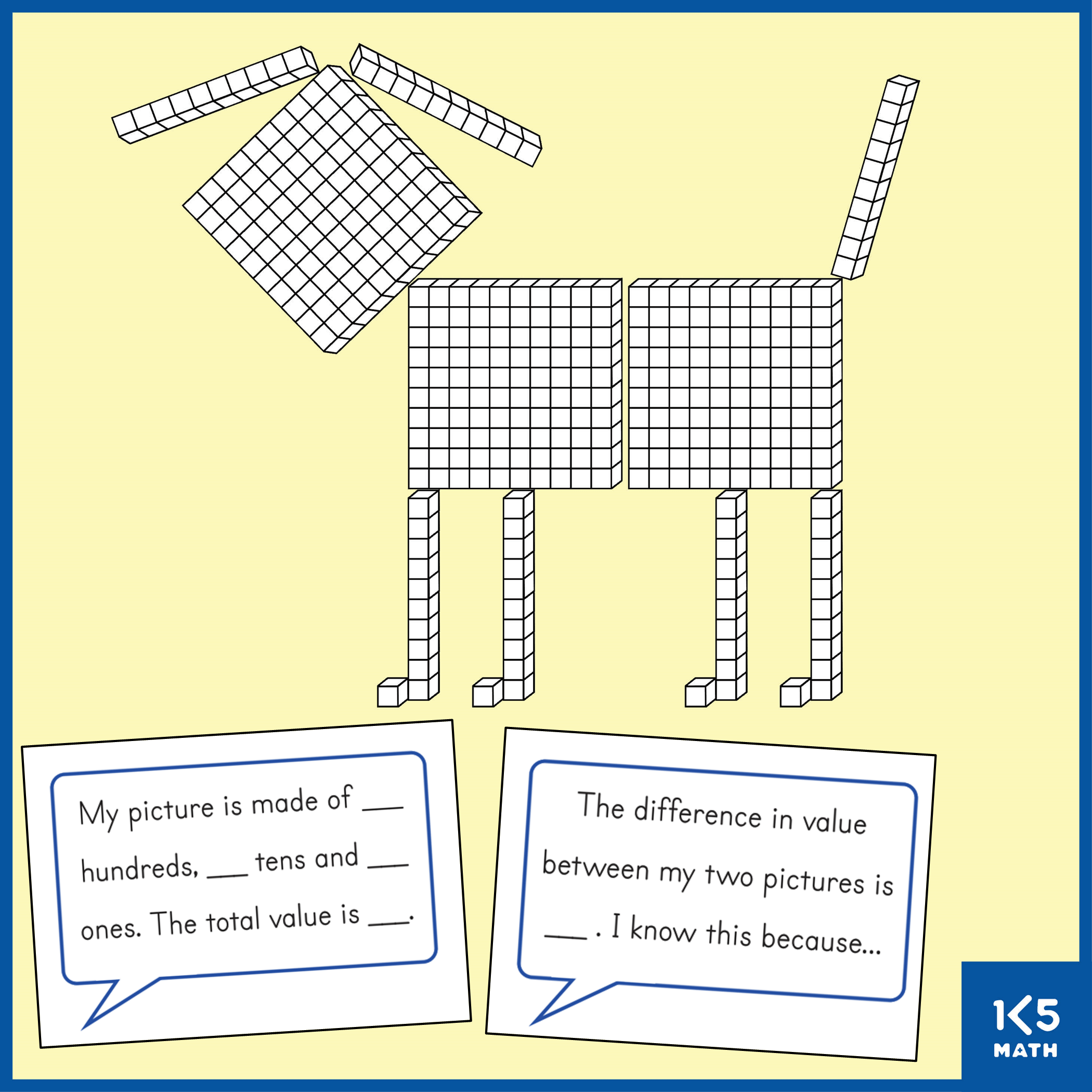
2.NBT.B.7 Add and subtract within 1000, using concrete models or drawings and strategies based on place value, properties of operations, and/or the relationship between addition and subtraction; relate the strategy to a written method. Understand that in adding or subtracting three-digit numbers, one adds or subtracts hundreds and hundreds, tens and tens, ones and ones; and sometimes it is necessary to compose or decompose tens or hundreds.
2.NBT.B.8 Mentally add 10 or 100 to a given number 100-900 and mentally subtract 10 or 100 from a given number 100-900.
Samples from:
Samples from:
2.NBT.B.9 Explain why addition and subtraction strategies work, using place value and the properties of operations.