Magic Squares
Magic Squares date back over 4,000 years to ancient China and have
existed throughout history and in many different parts of the world. The
magic lies in the fact that when the numbers in each row, column, and
main diagonals of the square are added together, the sum is always the
same. These number puzzles have fascinated some of the world's most
brilliant thinkers, including the eighteenth century American Benjamin
Franklin. He studied and composed some amazing magical squares, even
going so far as to declare one square “the most magically magical of any
magic square made by any magician.”
Magic Squares provide an engaging way to develop mental math skills. Following are some examples to download and try with your students:
3x3 Magic Square
4x4 Magic Square
5x5 Magic Square
Magic Star Puzzle
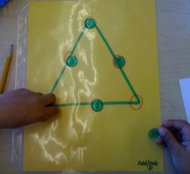 Magic Triangle
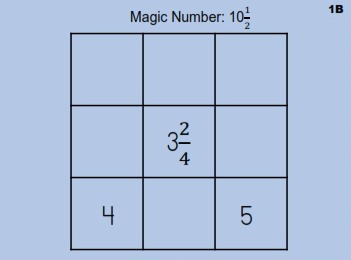 Magic Squares: Fractions
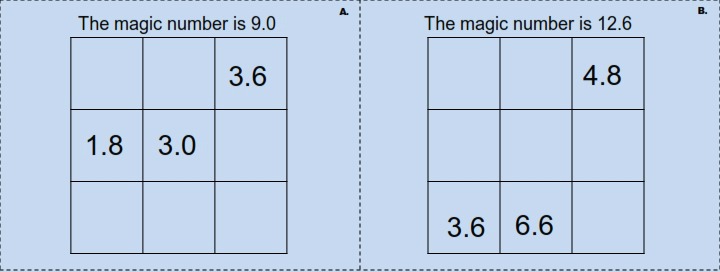 Magic Squares: Decimals